

Tangem Cold Storage Wallet: How It Works, Safety, And Setup
Most hardware wallets look like USB drives or small calculators. Tangem took a different approach. The Tangem cold storage wallet fits in your pocket like a credit card, no buttons, no screen, no charging required. This simplicity raises a fair question: can a card-shaped device actually secure your crypto as well as traditional hardware wallets?
At FinTech Dynasty, we break down hardware wallet options without the hype or sales pressure. This guide covers how Tangem stores your private keys, what security features protect your assets, and how to set up your wallet from start to finish. Whether you're comparing Tangem to other cold storage solutions or ready to buy, you'll find the practical details you need to make an informed decision.
Why a Tangem cold storage wallet matters
You don't own cryptocurrency if someone else controls your private keys. Every major exchange hack proves this point: Mt. Gox, QuadrigaCX, FTX, and dozens of smaller platforms all took user funds down with them. When you keep crypto on an exchange, you're trusting a third party with complete control over your assets. A Tangem cold storage wallet removes that dependency by placing your private keys in your physical possession.
Exchange risks you can eliminate
Centralized exchanges face three main threats you can avoid entirely with cold storage. First, hacking attempts target exchange hot wallets constantly because they hold millions in digital assets. Second, company insolvency can freeze withdrawals overnight, as FTX users learned when the platform collapsed. Third, regulatory seizures can lock your account without warning if authorities target the exchange.
Cold storage separates your wealth from platform failures and external threats.
Moving your crypto to a tangem cold storage wallet means you become the only person who can authorize transactions. No customer service team can reverse your decision, no government can freeze your card, and no exchange bankruptcy affects your holdings.
The physical security advantage
Card-shaped wallets offer unique portability benefits compared to traditional hardware devices. You can carry a Tangem wallet in your physical wallet alongside credit cards without drawing attention or requiring extra pocket space. The form factor also means no charging cables, no screen to break, and no firmware updates to manage. Physical durability matters when your device stores irreplaceable access to digital wealth, and the card design withstands bending, water exposure, and daily wear better than USB-style alternatives.
How Tangem works under the hood
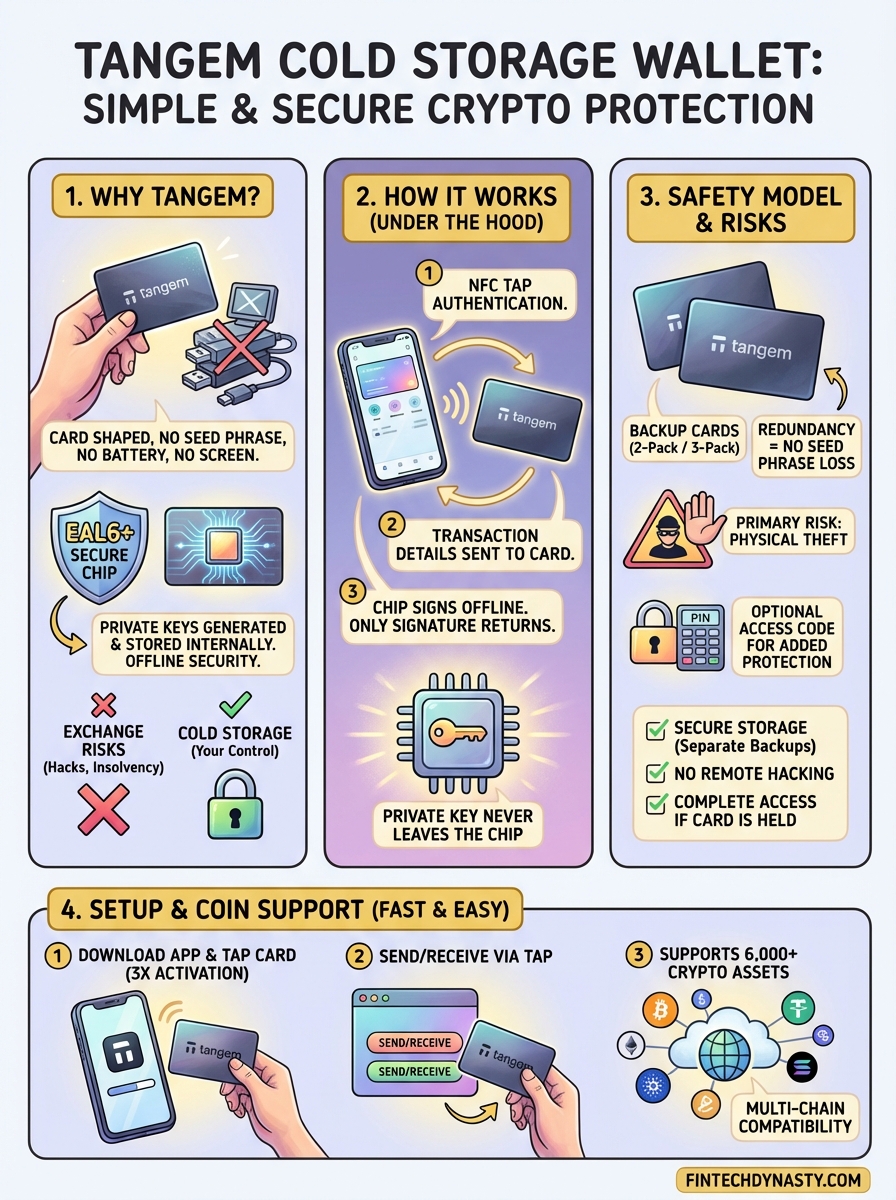
Your tangem cold storage wallet stores private keys inside a certified chip rather than generating a seed phrase you write down. When you first activate the card, the chip creates a unique private key internally and never allows it to leave the secure element. This design eliminates the most common attack vector in crypto: someone finding your written seed phrase.
The secure chip architecture
Each Tangem card contains an EAL6+ certified secure element, the same banking-grade chip technology used in credit cards and passports. The chip generates and stores your private key in a protected memory zone that physical extraction cannot access. Even if someone stole your card and tried to disassemble it, the chip destroys the key automatically when tampering is detected.
Hardware-level protection means your private key never exists outside the card.
NFC tap authentication
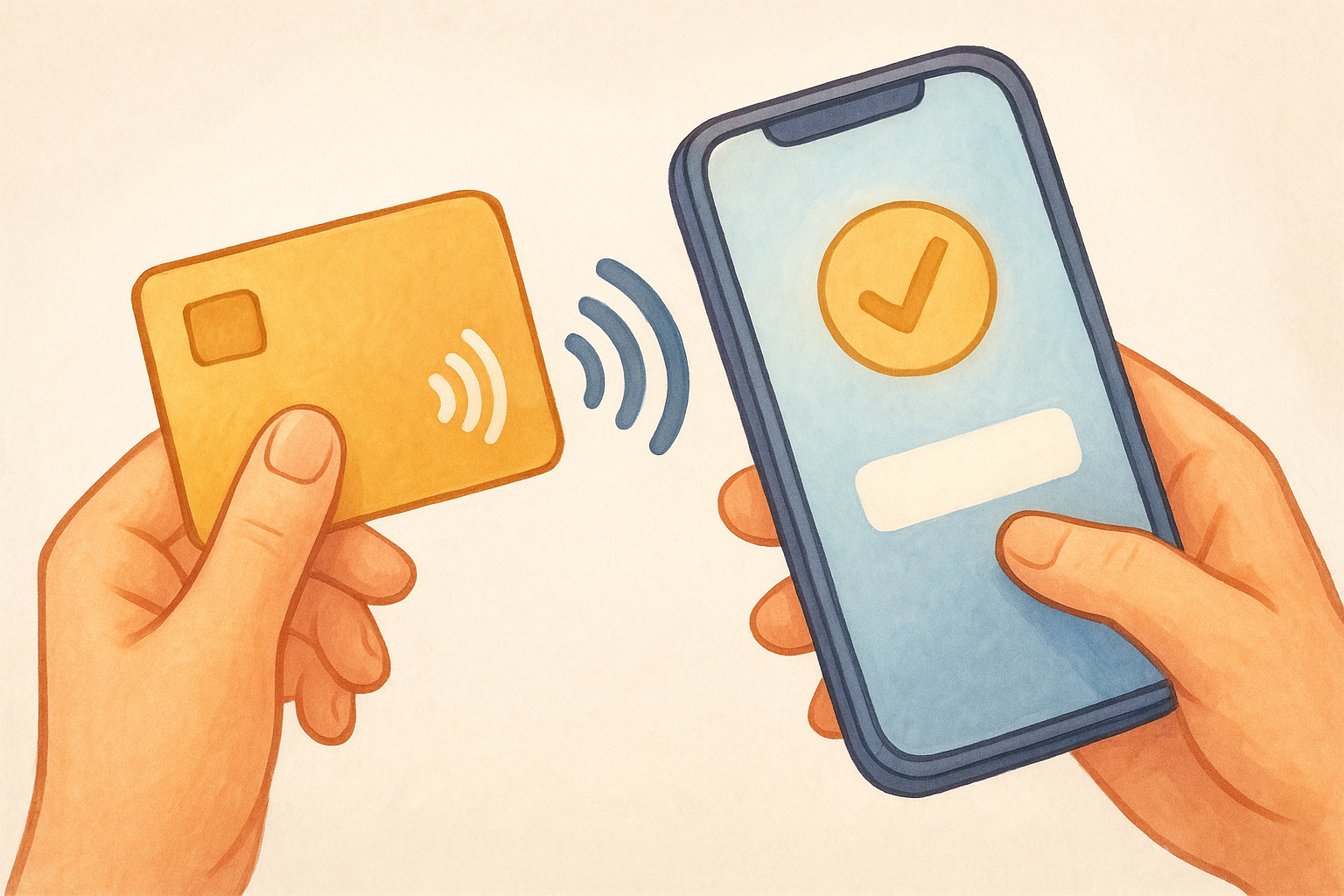
You authorize transactions by tapping the card against your smartphone through near-field communication. The Tangem app sends transaction details to the card, the chip signs the transaction internally using your private key, then sends only the signature back to your phone. Your private key never touches the phone or internet during this process, maintaining complete offline security throughout every transaction.
Safety model and risks to know
A tangem cold storage wallet protects your assets from digital attacks but introduces physical security considerations you don't face with seed phrase wallets. The card design prevents remote hacking because your private key never connects to the internet, yet physical possession equals complete access. Understanding these tradeoffs helps you implement proper security practices for your specific threat model.
Physical loss protection
Tangem sells cards in two-pack and three-pack sets for backup redundancy. Each card in your set holds identical private keys, so losing one card doesn't mean losing access to your crypto. You simply use your backup card to continue managing your wallet. However, this backup system means anyone who finds your card can access your funds immediately without needing a PIN or password unless you enable access code protection in the app settings.
Physical redundancy protects against loss but requires secure storage for each backup card.
Attack vectors that remain
Physical theft presents the primary security risk with card-based wallets. If someone steals your Tangem and knows what they're holding, they can drain your wallet by tapping it against their phone. The card offers no inherent protection against this scenario unless you configured additional authentication through the mobile app. Store your cards separately in secure physical locations rather than keeping backups in the same drawer or safe.
How to set up and use Tangem step by step
Setting up your tangem cold storage wallet takes less than five minutes because the card handles all technical processes automatically. You don't need to write down seed phrases or navigate complex recovery procedures. The entire setup happens through tap-based authentication between your card and smartphone.
Initial activation process
Download the Tangem app from your phone's app store and tap your card against the back of your device when prompted. The app detects the card and asks you to tap it twice more to confirm the connection. During these taps, the card generates your private key internally and assigns a unique card ID. You can create an optional access code at this point for additional security, requiring you to enter a PIN before each transaction authorization.
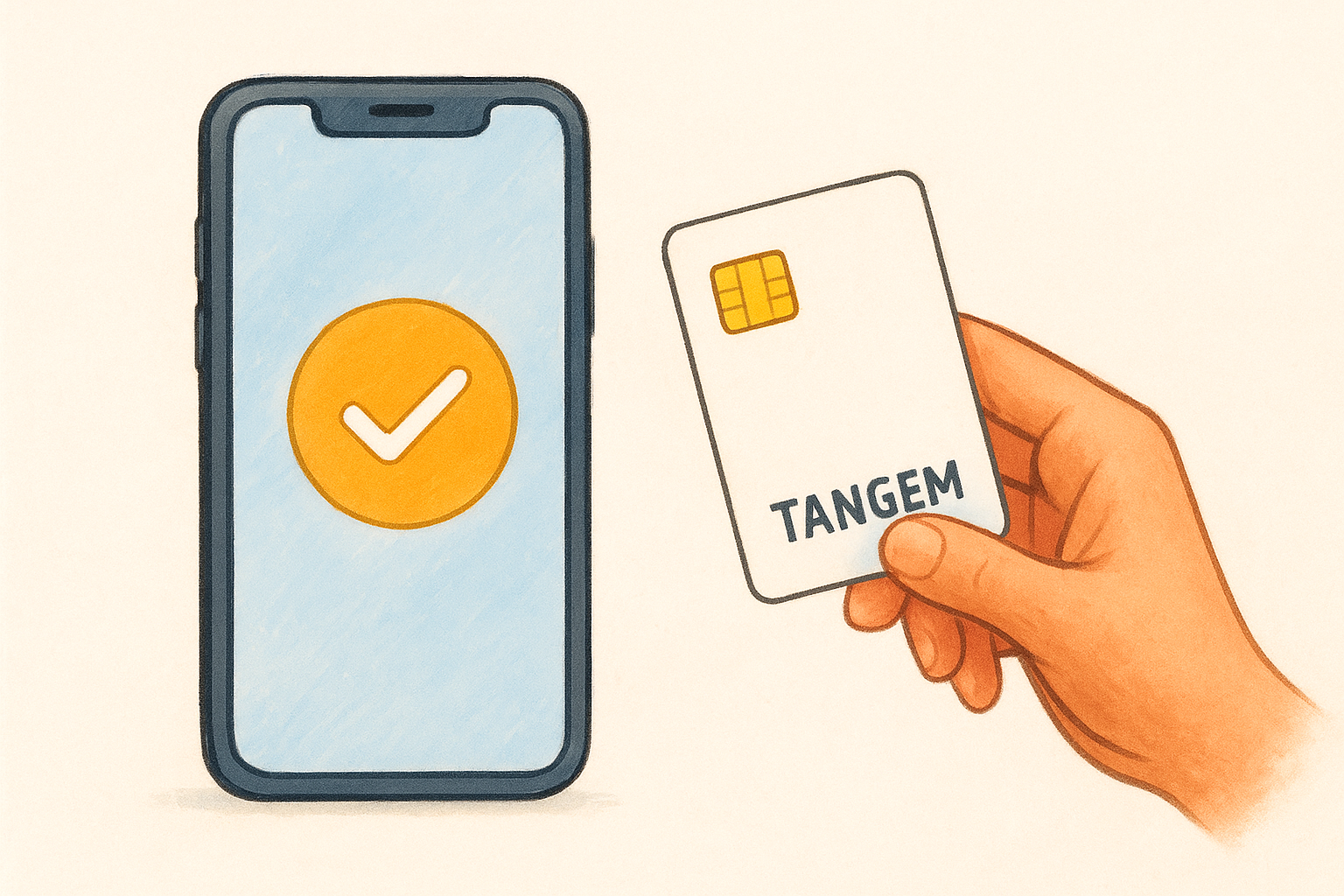
Physical tapping replaces traditional password-based security throughout the entire setup.
Sending and receiving crypto
Receiving funds requires tapping your card to view your wallet address in the app, then copying that address to share with the sender. Sending crypto involves entering the recipient's address and amount in the app, then tapping your card to authorize the transaction. The card signs each transaction internally, so you must have physical possession of your Tangem during every outgoing transfer.
Coins supported, fees, and where to buy
Your tangem cold storage wallet supports over 6,000 cryptocurrencies across multiple blockchain networks, covering virtually every major asset you might hold. The card works with Bitcoin, Ethereum, and all ERC-20 tokens, plus networks like Binance Smart Chain, Polygon, Cardano, and Solana. You don't face compatibility limitations that force you to choose between different hardware wallets for different coins.
Multi-chain compatibility
Tangem handles multi-chain assets through a single card, eliminating the need to purchase separate devices for different ecosystems. The wallet automatically detects which network each transaction uses when you tap your card, so you don't manually switch between blockchain modes. Transaction fees depend entirely on the network you're using rather than Tangem charging additional processing costs. Gas fees for Ethereum transactions come from the blockchain itself, while Bitcoin transfers follow standard network fee structures.
Network fees remain identical whether you use Tangem or any other wallet type.
Purchase options and pricing
You can buy Tangem cards directly from Amazon or through the official Tangem website. Two-card sets cost approximately $55, while three-card packs run around $100. These prices include all backup cards with no subscription fees or ongoing costs after your initial purchase.
Next steps
Your tangem cold storage wallet decision comes down to how you prioritize physical security versus seed phrase recovery. The card format eliminates digital attack vectors but requires careful physical storage of your backup cards. If you lose all cards simultaneously, you lose access permanently without any recovery mechanism.
Start by ordering a multi-card pack rather than a single card to ensure redundancy. Store backup cards in separate physical locations like a home safe and safety deposit box to protect against theft or disaster. Configure an access code through the app to prevent unauthorized use if someone finds your card.
Once you secure your Tangem setup, compare it against other cold storage options at FinTech Dynasty to verify you chose the right solution for your specific needs. Hardware wallet technology evolves constantly, and staying informed about security developments protects your wealth better than any single device can alone.