

Crypto Security for Older Investors: A 2026 Guide
Table of Contents
- Why Crypto Security Matters for Older Investors
- How to Store Cryptocurrency Safely: Self-Custody Basics
- Crypto Private Key Safety: Protecting Your Recovery Phrase
- Two-Factor Authentication for Crypto: An Essential Layer
- Recognizing and Avoiding Crypto Scams Targeting Seniors
- Building a Retirement Plan With Cryptocurrency
- Planning for Digital Asset Inheritance
- Frequently Asked Questions
Last Updated: October 12, 2026
Why Crypto Security Matters for Older Investors
Older adults hold more cryptocurrency than ever, adding digital assets to retirement portfolios, moving to self-custody wallets, or planning to pass crypto to heirs. But crypto security for older investors differs from what younger traders need: scammers target age-related vulnerabilities, recovery from mistakes is harder, and losing your seed phrase means losing your coins forever.

This guide from FinTech Dynasty covers practical steps for investors who want to understand self-custody, recognize threats, and plan inheritance without technical jargon.
The stakes are real: unlike a bank account, there's no customer service line if you forget a password or send coins to the wrong address. Security depends on your knowledge and habits, but it doesn't require advanced technical skill, just clarity, caution, and a few tools.
How to Store Cryptocurrency Safely: Self-Custody Basics
Storing cryptocurrency safely starts with one choice: keep your coins on an exchange or move them to a wallet you control.
When you leave coins on an exchange like Coinbase or Kraken, the exchange holds your private keys.

Self-custody means you hold your own private keys, so no one can freeze your account or access your funds without your permission. But you become responsible for security: one mistake, losing your seed phrase, sharing it with a scammer, or forgetting your password, and your coins are gone.
Most investors who own meaningful amounts of crypto should use self-custody: the risk of exchange hacks or bankruptcies often outweighs the complexity of managing your own wallet.
Cold Storage vs. Exchange Storage
Cold storage keeps your wallet offline, so private keys never touch the internet.
Exchange storage keeps coins on the platform's servers, convenient but with counterparty risk, since you depend on the exchange's security and solvency.
For retirement crypto holdings, cold storage is stronger: you eliminate exchange hack and bankruptcy risk, at the cost of managing your hardware wallet and seed phrase carefully.
Consider this comparison:
| Storage Type | Security Risk | Convenience | Best For |
|---|---|---|---|
| Cold Storage (Hardware Wallet) | Low (offline) | Lower (more steps) | Long-term holdings, retirement funds |
| Exchange Storage | Higher (online, counterparty) | Higher (instant access) | Active trading, frequent moves |
Hardware Wallets and Seed Phrases
A hardware wallet is a small device that generates and stores your private keys offline.
The seed phrase is a 12 or 24-word recovery code generated by your hardware wallet. In order, these words recreate your wallet if you lose the device or need access from another computer.
Setup takes about 20 minutes:
- Connect the hardware wallet to your computer or phone
- Follow the device's instructions to generate your seed phrase
- Write the seed phrase on paper or a metal backup tool and store it securely
The hardware wallet itself doesn't need hiding: a thief can't access your coins without your PIN. But your seed phrase is everything, whoever has it can drain your account.
Crypto Private Key Safety: Protecting Your Recovery Phrase
Your recovery phrase is your most valuable possession in crypto, and your biggest security risk.
A private key is a long string of characters proving you own your coins; your seed phrase is its human-readable version. Whoever has it can access your coins from any device, anywhere, without your hardware wallet or password. Protecting it is non-negotiable.
Storing Your Seed Phrase Offline
Write your seed phrase on paper and store it in a physical location only you know about, a bank safe deposit box, a home safe, or one copy in each.
Never store it on your computer or phone, in a photo or screenshot, in email or messaging apps, in cloud storage, or in a password manager (even encrypted).
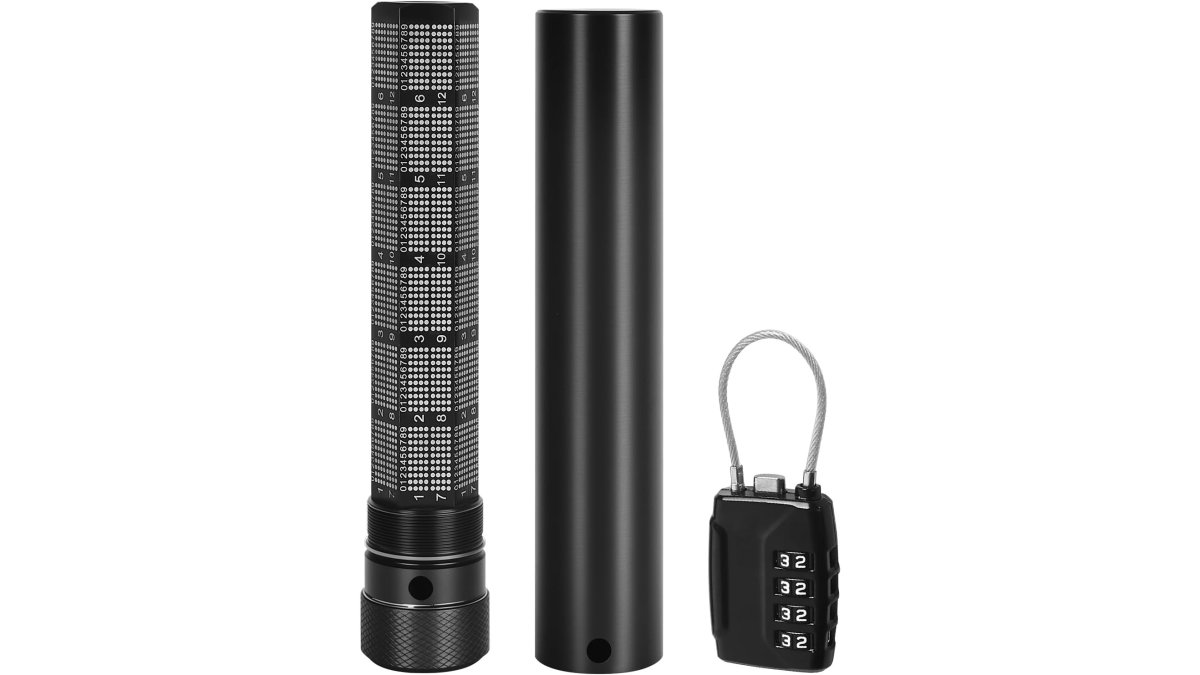
A metal seed phrase storage device beats paper, which can burn, water-damage, or fade over decades. FinTech Dynasty offers a Metal Crypto Seed Phrase Storage device that holds full 8-letter words, allowing full BIP39 recovery words to be stored without abbreviations.
Avoiding Common Private Key Mistakes
The most common mistakes happen during setup:
Writing the seed phrase in the wrong order. Check each word twice and write clearly so you can read it years later.
Telling someone else your seed phrase. Tell no one, not your spouse, adult children, or accountant.
Losing track of where you stored it. Write down the location and tell a trusted executor where to find it, without saying what it contains.
Testing recovery incorrectly. Import your seed phrase into a new hardware wallet on a different device and send a small amount to verify it works, never test on a computer.
Two-Factor Authentication for Crypto: An Essential Layer
Two-factor authentication (2FA) adds a second check when you log into an exchange account or wallet app, so a stolen password alone can't grant access.
Types of 2FA:
Authenticator apps (strongest): Google Authenticator, Authy, or Microsoft Authenticator generate time-based codes every 30 seconds that exist only on your phone.
SMS text messages (weaker): Codes arrive by text, but SIM-swapping can redirect them to a scammer.
Backup codes (essential): Save them securely so you can regain access if you lose your phone.
Never rely on email alone for 2FA, accounts can be hacked and it's slow and unreliable. Setup takes 5 minutes per account.
Recognizing and Avoiding Crypto Scams Targeting Seniors
Scammers target investors because they believe some adults are less familiar with crypto and more likely to panic. The assumption is often wrong, but the targeting is real, common tactics include impersonating customer support, promising guaranteed returns, requesting remote access, and building fake exchange or wallet websites.
Metal Crypto Seed Phrase Storage, BIP39 Recovery Phrase Cold Storage Backup →
Common Scam Tactics and Red Flags
Guaranteed returns: Someone promises a specific return, a secret trading strategy, or early access to a new coin.
Red flag: If it sounds too good to be true, it is.
Red flag: Never give anyone remote access to your computer, especially if they initiated contact.
Red flag: Always type the URL directly into your browser; never click links in emails or search results.
What to Do If You Suspect a Scam
Stop all communication immediately. Don't send any money or information.
Verify the contact independently.
Check your accounts. Log into your exchange and hardware wallet to verify your coins are still there.
Report the scam. You can also report to the Federal Trade Commission at FTC's crypto scam reporting page.
If you've already sent money, contact your bank immediately. Some transfers can be reversed within a short window.
Building a Retirement Plan With Cryptocurrency
Cryptocurrency can play a role in retirement planning with a clear strategy. The goal isn't getting rich quick, it's preserving wealth and adding a digital asset that may appreciate over decades.
Crypto IRAs and Tax-Advantaged Accounts
A crypto IRA is a self-directed individual retirement account holding digital assets instead of (or alongside) stocks and bonds.
Crypto IRAs work like traditional IRAs: you contribute, the account grows tax-free, and you pay taxes on withdrawals after age 59½.
Opening one requires a custodian that supports digital assets, a third party holding your coins securely.
Contribution limits match traditional IRAs; check current IRS limits, as they adjust annually (Retirement topics - IRA contribution limits).
Portfolio Diversification and Risk Tolerance
Crypto is volatile, Bitcoin and Ethereum can swing 20-30% in a month. If you can't tolerate that, crypto isn't right for you.
This gives exposure to digital assets without risking your retirement if crypto crashes. Never invest money you can't afford to lose, crypto can go to zero.
Planning for Digital Asset Inheritance
Most investors don't plan for crypto inheritance, assuming heirs will figure it out. This creates chaos: your heirs may not know you own crypto, where your hardware wallet is, or your seed phrase, and even if they find these things, they may not know how to access the coins or what they're worth. Proper planning takes a few hours now and saves weeks of confusion and potential loss.
Documenting Access Instructions for Beneficiaries
Create a document explaining:
- What crypto you own and where it's stored
- The location of your hardware wallet and seed phrase
- Instructions on how to access the coins
Example: "I own 2 Bitcoin stored on a Ledger hardware wallet. The wallet is in the safe deposit box at [Bank Name], Box [Number]. My seed phrase is stored in [Location].
Store it where your executor knows to look, a safe deposit box, a lawyer's office, or with your will. Don't include the actual seed phrase; your executor only needs to know where to find it.
Trusted Contact and Recovery Planning
Designate a trusted contact.
Consider a dead man's switch.
Store a backup of your seed phrase with a lawyer or in a secure safe deposit box.
Test your plan. Before you finalize it, walk through the steps: Can your executor find the hardware wallet?
A 72-Word Crypto Seed Phrase Storage Capsule from FinTech Dynasty provides a durable backup lasting decades; its metal construction resists fire and water, so your recovery phrase survives even if your home doesn't. For larger portfolios, consider storing your hardware wallet in a Large Double-Door Digital Security Safe with your inheritance documents, keeping everything in one secure location.

Crypto security comes down to three principles: control your private keys, recognize threats, and plan for the future.
At FinTech Dynasty, our courses walk you through self-custody setup, scam recognition, and inheritance planning step by step, without hype or pressure to invest. Access Your Course and gain the confidence to manage your digital assets securely.
Frequently Asked Questions
What is the safest way to store cryptocurrency for older investors?
Hardware wallets combined with offline seed phrase storage provide the strongest protection. A hardware wallet keeps your private keys offline and away from internet threats. Store your 12 or 24-word recovery seed phrase on a fireproof, waterproof metal storage device like the Metal Crypto Seed Phrase Storage with 480 metal letter tiles, allowing full BIP39 recovery words to be stored without abbreviations, then secure it in a physical safe. This dual-layer approach means your crypto security doesn't depend on any single point of failure or online service.
How can older adults recognize cryptocurrency scams targeting seniors?
Watch for unsolicited calls, emails, or social media messages promising guaranteed returns or claiming urgent action is needed. Scammers often impersonate legitimate companies or pose as tech support. Real companies never ask for your seed phrase, private keys, or passwords. If someone pressures you to send cryptocurrency or install software, it's a scam. Verify independently by contacting the company directly using their official website, never through links provided in messages. Crypto scams often exploit urgency and trust.
Why is two-factor authentication important for crypto accounts?
Two-factor authentication for crypto adds a second verification step beyond your password, making it much harder for hackers to access your accounts even if they obtain your login credentials. Use authenticator apps like Google Authenticator or Authy rather than SMS-based codes when possible, as SMS can be intercepted. Enable 2FA on every exchange, wallet platform, and email address connected to your crypto holdings. This simple step blocks the majority of unauthorized access attempts.
What should I do if I lose access to my cryptocurrency wallet?
If you have your seed phrase stored safely, you can recover your wallet by importing it into a new wallet application or hardware wallet. This is why storing your recovery phrase offline on a metal backup device is essential. If you've lost both your wallet and seed phrase, your cryptocurrency is likely unrecoverable. To prevent this, keep multiple copies of your seed phrase in separate secure locations (such as a fireproof safe and a safety deposit box), and test your recovery process once to ensure it works before you need it in an emergency.