

How to Set Up Crypto Inheritance in 2026
Table of Contents
- Why Crypto Inheritance Planning Matters
- Create a Digital Asset Inventory Template
- Understand Your Wallet Types and Recovery Options
- Secure Your Private Keys and Seed Phrases
- Prepare Your Beneficiaries for Crypto Wallet Recovery
- Set Up a Crypto Inheritance Trust Structure
- Document Access Instructions Without Exposing Keys
- Frequently Asked Questions
Last Updated: October 11, 2026
Why Crypto Inheritance Planning Matters
Without a plan for how to set up crypto inheritance, your cryptocurrency could become permanently inaccessible when you're gone. This isn't theoretical. When crypto holders pass away without leaving instructions, their heirs often cannot recover digital assets worth thousands or millions.
How to set up crypto inheritance requires three critical steps: documenting what you own, securing access instructions, and preparing your beneficiaries to actually use them. Most people skip this entirely. They assume their family will figure it out, or they're uncomfortable discussing their holdings.
This guide walks you through a practical framework for crypto inheritance planning. We'll cover inventory templates, wallet types, and secure storage methods.
Create a Digital Asset Inventory Template
Start by listing everything you own. Most crypto holders keep assets scattered across multiple wallets, exchanges, and services. Your beneficiaries won't know what exists unless you document it clearly.
What to Document
Your inventory should include:
- Asset name and amount (e.g., "2.5 Bitcoin," "50,000 USDC")
- Where it's stored (hardware wallet, exchange, software wallet, or custodian)
- Account or wallet identifier (public address, account number, or username)
- Approximate current value (for estate planning purposes)
- Date added to inventory (helps track completeness)
| Asset | Amount | Storage Type | Location | Value (USD) |
|---|---|---|---|---|
| Bitcoin | 2.5 | Hardware Wallet | Ledger Nano X | ~$95,000 |
| Ethereum | 25 | Exchange Account | Coinbase | ~$50,000 |
| USDC | 50,000 | Software Wallet | MetaMask | ~$50,000 |
| Stablecoins | Various | Multiple | See notes | ~$25,000 |
Don't estimate values, use the price at the time you document it. Update this annually or when holdings change significantly.
Where to Store Your Inventory
Keep your inventory in a secure location separate from your keys. A password-protected document stored in a safe deposit box works. A digital file encrypted and backed up in multiple locations is better. Never store your inventory and your seed phrases in the same place. If someone finds one, they shouldn't find the other.
Understand Your Wallet Types and Recovery Options
Different wallet types have different inheritance implications. A hardware wallet requires physical access and knowledge of the PIN. An exchange account requires login credentials. A multisignature wallet might require coordination between multiple parties. Understanding these differences determines how your heirs will actually recover your assets.
Hardware Wallets and Self-Custody
Hardware wallets like Ledger and Trezor store private keys offline. Your heirs need three things: the hardware wallet itself, the PIN you used, and the seed phrase as a backup.

The PIN is a 4-8 digit code. If your heirs don't know it, they have limited attempts before the device locks permanently. The seed phrase is a 12 or 24-word recovery code that can unlock the wallet on any compatible device.
Store the hardware wallet in a safe deposit box or fireproof safe. Store the PIN and seed phrase separately, in locations your executor knows about.
Exchange Accounts and Custodian Access
Crypto held on exchanges like Coinbase or Kraken is easier to inherit in some ways. Your executor can request account access through the exchange's inheritance process. Most major exchanges have procedures for transferring accounts to heirs with proper documentation (death certificate, will, proof of heirship).
The challenge: your heirs need your login credentials and know which exchange holds your assets. If you use two-factor authentication (which you should), they'll need access to your phone number or backup codes.
Document your exchange accounts in your inventory. Include usernames and the recovery email address. Store backup codes for two-factor authentication in a separate secure location.
Multisignature Wallets for Shared Control
A multisignature wallet requires multiple private keys to authorize transactions. You might control two keys, and a trusted family member or professional custodian controls the third. This structure lets heirs access funds without requiring all keys at once.
Multisig wallets are more complex to set up but offer stronger inheritance protection. They prevent a single point of failure.
Secure Your Private Keys and Seed Phrases
Your seed phrase is the master key to your cryptocurrency. Anyone with it can access your funds. Storing it securely is the foundation of crypto inheritance planning.
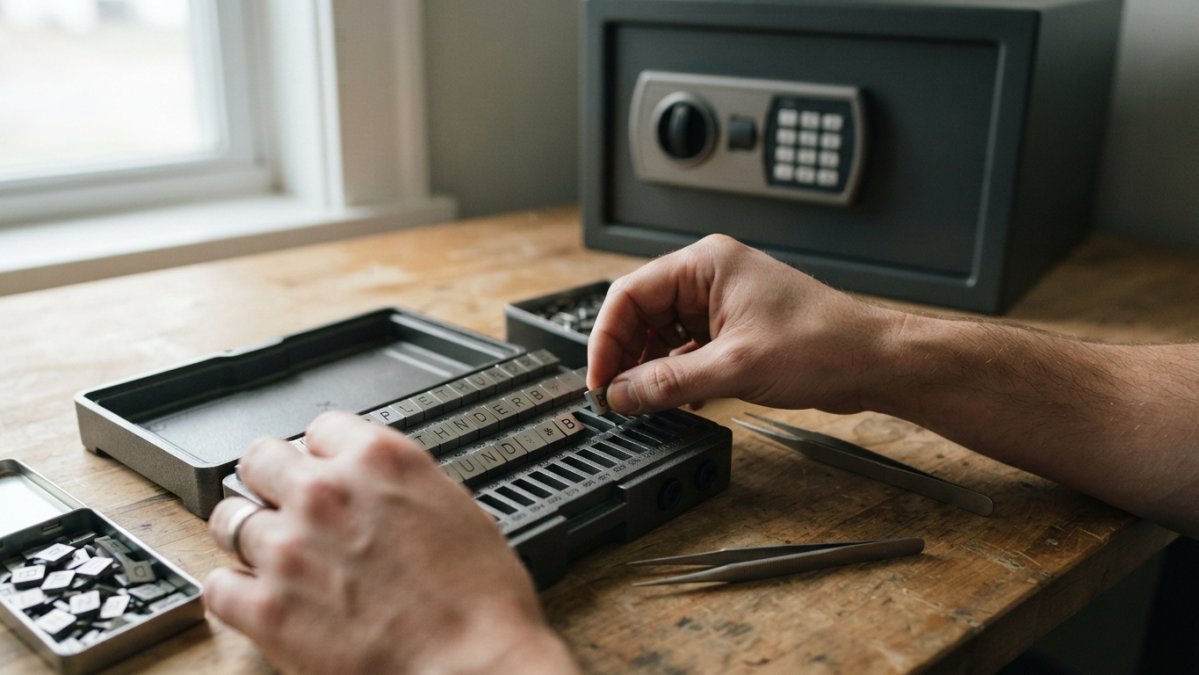
Cold Storage for Seed Phrase Backup
Cold storage means keeping your seed phrase offline, away from internet-connected devices. Paper is the simplest method: write your seed phrase on paper and store it in a safe location.
Metal backup solutions are more durable. FinTech Dynasty offers a Metal Crypto Seed Phrase Storage kit with 480 metal letter tiles that support full 8-letter words. This approach eliminates abbreviation errors and survives fire and water.
Never photograph your seed phrase or store a photo on your phone. Never type it into a computer connected to the internet. Never email it or message it to anyone.
Fireproof and Waterproof Storage Solutions
Store your backup in a location that survives common disasters. A fireproof safe rated for 30 minutes at 1,200 degrees Fahrenheit protects against most house fires.
Consider splitting your seed phrase across multiple locations. Store the first half in a safe deposit box and the second half in a home safe. This prevents a single discovery from compromising your entire backup. Your executor needs to know both locations.
FinTech Dynasty's 23.62 Inch True Fireproof Safe provides secure home storage with digital access. A Large Double-Door Digital Security Safe offers larger capacity for storing multiple backups and documents together.
Metal Crypto Seed Phrase Storage, BIP39 Recovery Phrase Cold Storage Backup →

Prepare Your Beneficiaries for Crypto Wallet Recovery
Having secure backups means nothing if your heirs don't know how to use them. Many people store their seed phrases perfectly but never test whether their family can actually recover the funds.
Recovery Drills and Readiness Testing
Before finalizing your inheritance plan, conduct a recovery drill. Tell your executor or primary beneficiary where your backups are stored. Have them attempt to recover a small amount of cryptocurrency using your seed phrase and recovery instructions. This identifies problems while you're still alive to fix them.

Common issues that emerge in drills:
- Seed phrase written illegibly or with spelling errors
- Recovery instructions too technical for the intended reader
- Backup location forgotten or inaccessible
- Beneficiary doesn't know which wallet software to use
Fix these before they become problems for your heirs. Rewrite illegible backups. Simplify instructions. Provide written directions to physical storage locations. Walk your beneficiary through the process step by step.
Step-by-Step Recovery Instructions
Write recovery instructions as if explaining to someone who has never used cryptocurrency. Include:
- Locate the seed phrase backup (specific location, how to access the safe, combination or key location)
- Choose a wallet application (recommend a specific wallet like Ledger Live or Trezor Suite)
- Install the wallet software on a computer or phone
- Select "Recover from seed phrase" in the wallet application
- Enter the seed phrase exactly as written, in the correct order
- Set a new PIN (the old PIN is no longer needed once recovered)
- Verify the recovered balance matches your documented inventory
- Transfer funds to a new wallet the beneficiary controls
Test these instructions yourself. Write them in plain language. Avoid technical jargon or assume prior knowledge.
Set Up a Crypto Inheritance Trust Structure
A will alone doesn't protect cryptocurrency effectively. Wills go through probate, which is public and slow. A trust can transfer crypto directly to beneficiaries without probate.
Legal and Tax Considerations
Cryptocurrency inheritance has tax implications. In many jurisdictions, inherited crypto receives a "step-up in basis," meaning your heirs' tax cost basis resets to the fair market value at your death (Gifts & inheritances). This can significantly reduce their capital gains tax if they later sell.
Consult a tax professional or estate attorney in your jurisdiction. Inheritance rules vary by country and region. Some places treat crypto as property, others as currency, and tax treatment is still evolving.
Document the fair market value of your holdings at the time of your death. Include this in your estate documents so your heirs can calculate their tax basis correctly.
Using Timelock and Delayed Recovery Services
Some services offer timelock features: if you don't check in for a specified period (6 months, 1 year), your crypto automatically transfers to a designated beneficiary. This prevents your assets from being locked forever if you become incapacitated.
The FinTech Dynasty 72-Word Crypto Seed Phrase Storage Capsule provides secure backup for longer seed phrases.
Timelock services introduce a third party into your security model. Evaluate whether the convenience justifies the risk.
Document Access Instructions Without Exposing Keys
Your executor needs enough information to recover your crypto without having access to your private keys before your death. This requires careful documentation.
Secure Information Handoff Methods
Create a sealed envelope or encrypted file containing:
- Locations of all backups (safe deposit box number, home safe location, etc.)
- How to access each location (safe combination, key location, safe deposit box instructions)
- Which wallet software to use for recovery
- Step-by-step recovery instructions
- Contact information for your exchange accounts
- Your executor's role and authority
Give this envelope to a trusted family member with instructions to open it only after your death. Never email it or store it on a cloud service that could be hacked.
Avoiding Common Mistakes in Key Sharing
Don't:
- Store your seed phrase and PIN in the same location
- Tell multiple people your seed phrase "just in case"
- Write recovery instructions that only you understand
- Assume your heirs will know which exchange holds your assets
- Leave instructions that are outdated or contradictory
Do:
- Keep backups separate from access instructions
- Test recovery procedures with your executor
- Update your inventory and instructions annually
- Make a clear list of all crypto holdings and where they're stored
Crypto inheritance planning protects both your assets and your family. Without clear documentation and secure backups, your cryptocurrency could become permanently inaccessible. FinTech Dynasty helps you understand how to structure your digital estate safely. Our educational platform covers wallet security, self-custody best practices, and the practical steps needed to set up crypto inheritance that actually works. Start with a documented inventory, secure your backups properly, and prepare your beneficiaries to recover funds when needed. Access your course at FinTech Dynasty to master these essential skills for digital asset protection.
Frequently Asked Questions
What should I include in a crypto inheritance plan?
Your crypto inheritance plan should document all digital assets (Bitcoin, Ethereum, stablecoins, NFTs), wallet types and locations, private keys or seed phrases stored securely, beneficiary names and contact information, step-by-step recovery instructions, and contact details for exchange accounts or custodians. A digital asset inventory template helps organize this systematically so heirs can access everything without confusion or loss.
How can I give heirs access to crypto without exposing my private keys prematurely?
Store your seed phrase in a fireproof, waterproof container (such as a metal seed phrase storage device) in a secure location known only to your executor or trusted family member. Provide separate written instructions on where to find it and how to recover the wallet, stored in your will or with your lawyer.
What happens to cryptocurrency if the owner dies without sharing access details?
Without access details, cryptocurrency becomes permanently inaccessible. Private keys cannot be recovered, seed phrases cannot be recreated, and exchange accounts may be frozen without proper beneficiary documentation. The assets remain on the blockchain but no one can transfer or spend them. This is why crypto inheritance planning is critical: without a clear plan, your heirs lose access to potentially significant wealth. Documenting wallet locations, recovery phrases, and instructions ensures your digital assets can be transferred to your beneficiaries.
Should I put my crypto wallet recovery phrase in my will?
No. Wills are public documents that become accessible during probate, exposing your seed phrase to theft or fraud. Instead, store your recovery phrase in a secure physical location (fireproof safe or metal storage device) and reference in your will that beneficiaries should contact your executor for access instructions. This keeps your seed phrase private while ensuring heirs can recover your assets.