

7 Crypto Self-Custody Risks That Decide If It's Safe
Last Updated: October 30, 2026
Quick Summary
Crypto self custody is as safe as your own key management, and no safer. It removes exchange failure risk but replaces it with personal responsibility for private keys, backups, and recovery. Most permanent losses come from phishing, lost seed phrases, and physical or human failures rather than the technology itself.
- Two-thirds of U.S. crypto users surveyed say self-custody matters to them, per Protocol Theory research.
- Anyone who asks for your seed phrase is stealing from you; no legitimate provider ever needs it.
- Store your seed phrase offline on metal in two separate, discreet locations, never in photos or cloud notes.
- Test a small recovery on an empty wallet before moving real funds to prove your backup works.
- A hardware wallet keeps keys offline but cannot protect a phrase you typed into a phishing site.
Table of Contents
- The Real Question Behind Crypto Self-Custody Safety
- Crypto Self-Custody Risks You Need to Know
- Self-Custody vs Exchange: Which Risk Profile Fits You?
- How to Store a Crypto Seed Phrase Without Losing It
- Hardware Wallet Security: What the Device Does and Doesn't Protect
- Practical Steps to Secure Your Self-Custody Setup
- Build Your Self-Custody Knowledge With FinTech Dynasty
- Frequently Asked Questions
The Real Question Behind Crypto Self-Custody Safety
Is crypto self custody really safe? The honest answer: it is as safe as your own key management, and no safer. Self-custody removes exchange failure risk and replaces it with personal responsibility for private keys, backups, and recovery.
That trade is the whole story. Research from Protocol Theory's self-custody study found that two-thirds of U.S. crypto users surveyed say self-custody matters to them. Yet wanting control and being ready for it are different things.
At FinTech Dynasty, we teach this as a risk swap, not a free upgrade. You give up the risk of a custodian freezing withdrawals. You take on the risk of a lost seed phrase, a phishing page, or a house fire.
Below, we break down the seven risks that actually decide the answer, then show you how to reduce each one. If you are brand new to this, our beginner's guide to crypto self custody walks through the basics before you move a single coin.
Crypto Self-Custody Risks You Need to Know
Self-custody risk splits into two buckets: digital threats and physical or human failures. Most guides cover the first and skip the second. That is a mistake.
The digital side gets the headlines. The physical side causes more permanent losses in practice.
Digital Threats: Phishing, Malware, and Fake Wallets
Phishing is the most common way self-custody holders lose funds. A fake wallet site, a spoofed support message, or a malicious browser extension can capture your seed phrase in seconds.
Watch out: anyone who asks for your seed phrase is stealing from you. No legitimate wallet provider, exchange, or support agent ever needs it.
Common digital traps include:
- Fake wallet apps in app stores with near-identical names
- Emails that mimic a wallet maker's branding
- "Support" accounts on social media offering to help
- Clipboard malware that swaps a copied wallet address
Our guide on how to protect crypto from hackers covers practical steps to reduce these attacks.
Physical and Human Risks: Loss, Coercion, and Accidents
Physical risk is where self-custody gets uncomfortable. A seed phrase written on paper can burn, flood, or get thrown out during a move.
Then there is coercion. A person who knows you hold keys can be pressured for them. The SEC's investor bulletin on crypto asset custody makes the point plainly: self-custody holders control their assets and are fully responsible for managing their private keys.
A simple risk map helps:
| Risk | What It Looks Like | Best Defense |
|---|---|---|
| Phishing | Fake site or message asks for seed | Never share the phrase |
| Malware | Clipboard or keylogger theft | Clean device, hardware wallet |
| Loss | Lost, burnt, or discarded backup | Metal backup, two locations |
| Coercion | Someone demands your keys | Discreet storage, low talk |
| Accident | Deleted wallet, wrong restore | Test recovery first |
Self-Custody vs Exchange: Which Risk Profile Fits You?
Exchanges concentrate risk in a company. Self-custody concentrates risk in you. Neither is risk-free.
On an exchange, you trust the platform to hold assets, stay solvent, and honor withdrawals. History shows that trust sometimes breaks. On self-custody, no company can freeze your coins, but no company can help you recover them either.
Ask yourself three questions:
- Can you keep a secret and a backup safe for years?
- Do you have a plan if you are unavailable?
- Are you comfortable testing a recovery before you need it?
If you answer no to any of these, a hybrid approach makes sense. Keep a working balance on an exchange and move long-term holdings to self-custody once your backup routine is solid.
Metal Crypto Seed Phrase Storage, BIP39 Recovery Phrase Cold Storage Backup →
How to Store a Crypto Seed Phrase Without Losing It
The safest seed phrase storage is offline, durable, and stored in more than one location. Paper fails. Memory fails. Metal lasts.
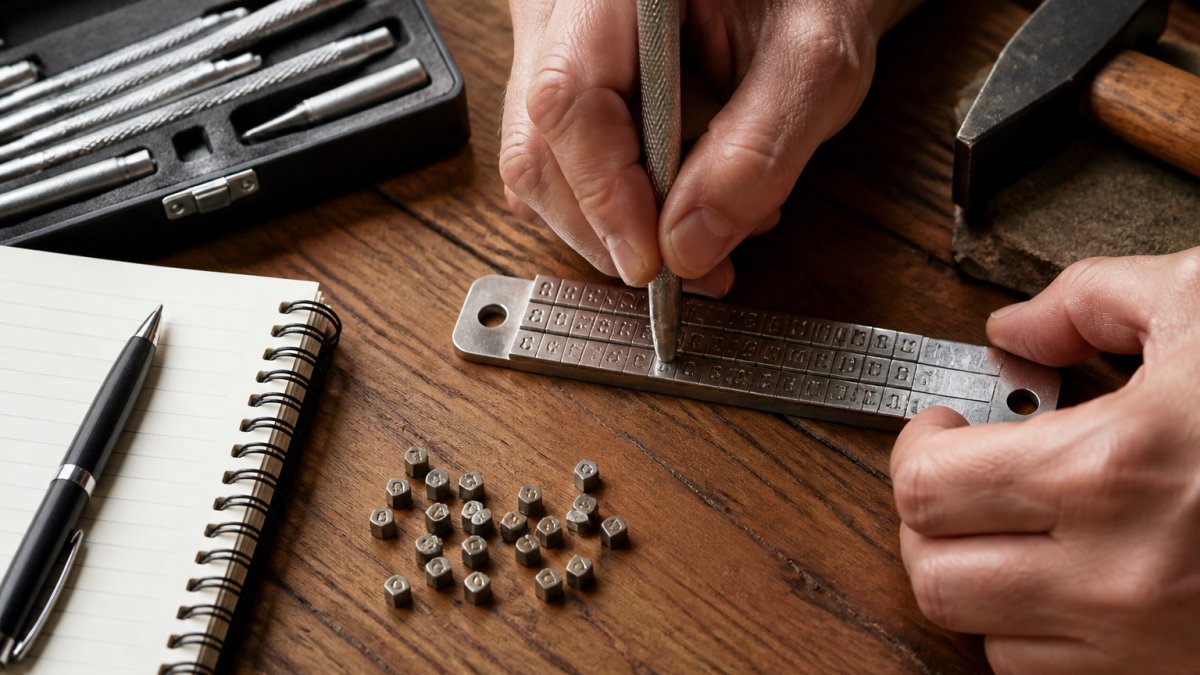
A workable setup looks like this:
- Write the phrase by hand first, then verify it letter by letter
- Stamp or engrave it into metal for fire and water resistance
- Store copies in two separate, discreet locations
- Never photograph it or save it in cloud notes
- Never type it into any website
For a deeper walkthrough, read our guide on how to secure crypto seed phrases. If you want a physical backup, our metal seed phrase storage plate includes 480 metal letter tiles and supports full 8-letter words.

Hardware Wallet Security: What the Device Does and Doesn't Protect
A hardware wallet keeps your private keys offline and off your computer. That blocks a large share of remote attacks. It does not protect you from yourself.
What the device protects:
- Keys stay offline during transactions
- Malware on your computer cannot read the keys
- You confirm each transaction on a physical screen
What it does not protect:
- A seed phrase you typed into a phishing site
- A backup stored in one fragile place
- A purchase made from a fake seller
The device is one layer, not the whole system. If you are comparing options before buying, our Ledger alternatives guide covers what to weigh.
Practical Steps to Secure Your Self-Custody Setup
Security comes from routine, not from one product. Build habits that survive a bad day.
Start with these steps:
- Buy hardware only from the maker or an authorized seller
- Set up the wallet yourself and generate a fresh seed phrase
- Back up the phrase on metal and store it in two places
- Test a small recovery before moving real funds
- Use a dedicated, updated device for wallet activity
- Bookmark official sites and never click wallet links
- Tell one trusted person your recovery plan exists, not the phrase
A common mistake is skipping step four. Testing recovery on an empty wallet proves your backup works before it matters.
The Oxford Academic assessment of crypto custody practices shows how much custody arrangements vary across providers. Your own setup deserves the same scrutiny you would give a custodian.
Build Your Self-Custody Knowledge With FinTech Dynasty
Self-custody safety is a skill you build, not a setting you switch on. The risks are real, but many can be managed with the right habits and backup.
FinTech Dynasty teaches this without hype or financial advice. Our platform offers structured, research-based lessons on how wallets and blockchain networks work. We focus on practical self-custody and wallet security, so you can reduce exposure to online threats and make informed decisions with confidence.
Get started with FinTech Dynasty and learn to protect your digital assets step by step.
Frequently Asked Questions
Is crypto self-custody safer than keeping crypto on an exchange?
Neither option is automatically safer; each shifts the risk. Self-custody removes exchange failure and withdrawal risk but makes you responsible for private-key security and recovery, as the SEC's investor bulletin notes. An exchange keeps recovery simpler but adds counterparty risk. The right choice depends on whether you can securely store a seed phrase and follow good crypto self-custody practices consistently.
What are the biggest risks of self-custody?
The main crypto self-custody risks are phishing and malware, losing your seed phrase or device, physical threats such as coercion, and simple mistakes during setup or recovery. Self-custody also makes you solely responsible for backups. Reducing these risks means writing your seed phrase offline, verifying wallet addresses, and never entering your phrase into a website or app.
How should you store a crypto seed phrase safely?
Write your seed phrase on paper or metal and keep it offline, never in a photo, cloud note, or email. Store it in a secure, discreet location and consider a metal backup plate for fire and water resistance. If you want full words rather than abbreviations, a product like FinTech Dynasty's Metal Crypto Seed Phrase Storage supports up to 8 letters per slot, which helps reduce recovery mistakes.
Are hardware wallets safer than software wallets?
Hardware wallets generally offer stronger hardware wallet security because the private key stays offline and signing happens on the device. Software wallets are more convenient but expose keys to a connected device. A hardware wallet still depends on you safeguarding the seed phrase, so device security and backup discipline work together rather than replacing each other.
